A restaurant remodel almost never costs what the first estimate says it will. Materials go up mid project. A contractor opens a wall and finds something nobody planned for. The dining room stays closed longer than expected, and every one of those days adds up. If you are planning a remodel, the real question is not just what the renovation will cost, but where that money is actually going and whether there is a cheaper way to get the same result.
This guide walks through the biggest cost drivers in a restaurant remodel and the practical ways to bring that number down without making the space look cheap. That means looking at how you plan the project and rethinking whether certain surfaces need to be replaced at all.
Where the Cost Really Comes From
Furniture and paint feel like the expensive part of a remodel, but they rarely are. The bigger cost sits in demolition, permits, and anything that touches plumbing or electrical. Pulling out old doors or ripping down wall panels generates labor and disposal costs before a single new finish even goes up.
Downtime is the cost that gets missed most often in a budget plan. A closed dining room does not generate revenue, but rent, payroll, and loan payments keep running. A renovation that takes six weeks instead of two can end up costing more in lost sales than it does in materials and labor combined. The real price of a remodel has to include what the business loses while the doors are shut, not just what the contractor charges.
Resurface vs Replace: The Real Cost Comparison
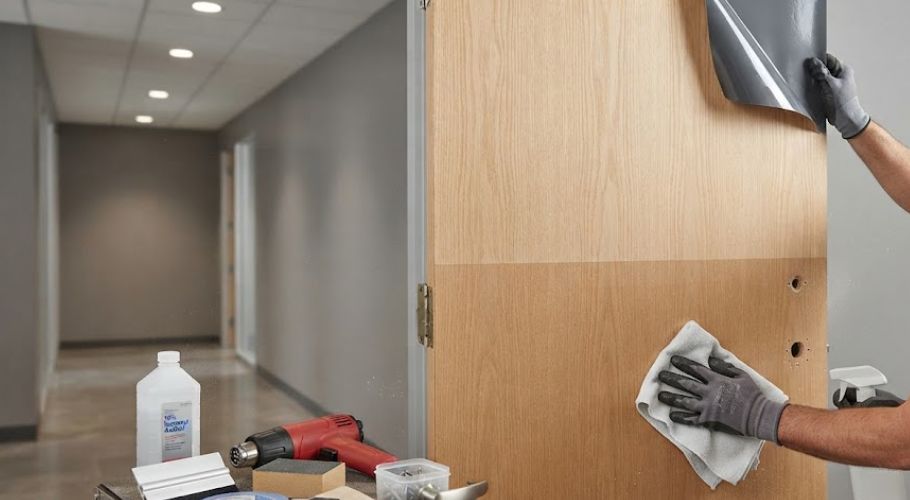
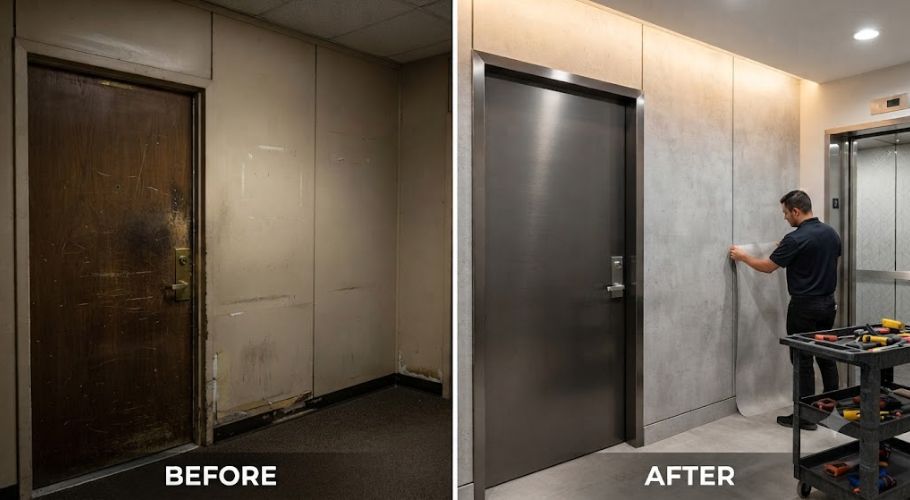
The biggest lever for controlling renovation cost is deciding what actually needs to be rebuilt and what just needs a new surface. A scratched door, a dated wall panel, or a worn bar front does not always need to be torn out. Architectural vinyl film can be applied directly over the existing surface, which skips the demolition, disposal, and rebuild labor that make traditional renovation expensive.
This matters most on surfaces that still work fine but just look tired. A door with a solid frame does not need a new frame, only a new face. A host stand or bar front with good bones does not need to be rebuilt, only refinished. Choosing to resurface instead of replace can knock a large chunk off a line item without changing anything about how that part of the restaurant functions.
| Resurfacing | Full Replacement | |
|---|---|---|
| Typical cost | Lower, since there is no demolition or rebuild labor | Higher, includes materials, labor, and disposal |
| Timeline | Often days | Often weeks |
| Downtime | Minimal, can happen after close or overnight | Usually requires closing the affected area |
| Demolition | None, applied over the existing surface | Old surface is torn out and hauled away |
| Permits | Often minimal to none | Frequently required, especially for structural work |
| Best for | Surfaces that still function but look worn or dated | Surfaces that are damaged, unsafe, or no longer usable |
Where Resurfacing Cuts Cost Without Cutting Quality
Some parts of a restaurant wear out faster than others, and these are the areas where resurfacing tends to save the most.
- Commercial doors see daily traffic from staff and guests, and they are usually the first thing to look worn. Wrapping the existing door keeps the frame and hardware in place.
- Wall surfaces in dining rooms scuff near booths and high traffic corners long before the rest of the space needs work.
- Casework and millwork, including host stands and bar fronts, can be updated in place instead of rebuilt from scratch.
- Ceiling panels in a dining room can look dated fast, especially under bright lighting, and a fresh finish changes the whole feel of the room.
- Storefront exteriors and columns set the tone before anyone walks in the door, and refreshing the facade often costs far less than replacing it.
Most architectural films used in these applications are also fire rated for code compliance, so switching to a resurfacing approach does not add a new inspection problem to the project.
Minimal Downtime Protects Revenue
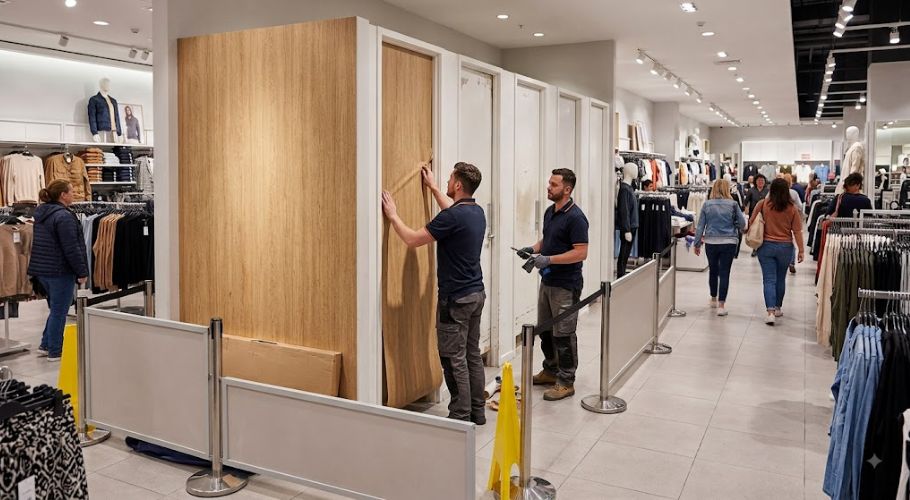
A full gut renovation almost always means closing the restaurant, and that closure is where a lot of the real cost hides. Resurfacing work can often happen in sections, overnight, or during slow hours, which means the dining room stays open while the update happens. A door or wall panel can be wrapped after close and be ready for service again the next morning.
A renovation quote that is slightly higher but keeps the restaurant open is often the cheaper option once lost revenue is factored in. Traditional construction work, especially anything involving permits or structural changes, is hard to schedule around business hours. Surface level upgrades are not, and that flexibility is often what separates a renovation that pays for itself quickly from one that drags on the budget for months.
Don't Replace What Still Works
Not everything in a remodel needs to be new. Equipment and furniture that still function well can often stay in place, even if they look a little tired next to fresh finishes. A booth frame with worn upholstery just needs new fabric, not a new frame. A walk in cooler that runs fine does not need to be swapped out because the kitchen layout is changing around it.
This is where a lot of budgets get inflated without much benefit. Replacing something that still works, just because everything else in the space is new, adds cost without adding much value. The better approach is to go piece by piece and separate what genuinely needs to go from what can simply be cleaned up or reupholstered.
Smart Ways to Plan Renovation Spend
A few planning habits make it easier to keep a remodel on budget from the start.
- Get a resurfacing quote alongside a replacement quote before deciding, so the cost difference is clear.
- Build a small buffer into the budget for surprises, even on a resurfacing project.
- Prioritize the surfaces guests actually notice first, like entry doors and dining room walls, if the budget has to be trimmed.
- Ask what the expected life of a resurfaced finish is compared to a full replacement, so the decision is based on real numbers, not just upfront price.
- If you operate more than one restaurant, ask whether the same resurfacing plan can roll out across locations instead of budgeting each one separately.
Common Mistakes That Inflate the Budget
A lot of cost overruns trace back to decisions made before construction even starts.
- Defaulting to full replacement without checking if the surface can be resurfaced instead
- Underestimating how long permits and inspections add to the timeline
- Skipping a side by side cost comparison between resurfacing and replacement
- Ignoring smaller areas like ceilings and entry doors, then having to redo them separately later
- Leaving lost revenue out of the cost comparison between renovation options
Getting the Most Out of Every Renovation Dollar
A restaurant remodel does not have to mean a closed dining room, a blown budget, or a guess at the final number. The owners who keep costs under control are the ones who ask, surface by surface, what actually needs to be rebuilt and what just needs a new finish. Resurfacing doors, walls, casework, and ceilings instead of replacing them is one of the more reliable ways to protect a budget without making the space look like it was done on the cheap.
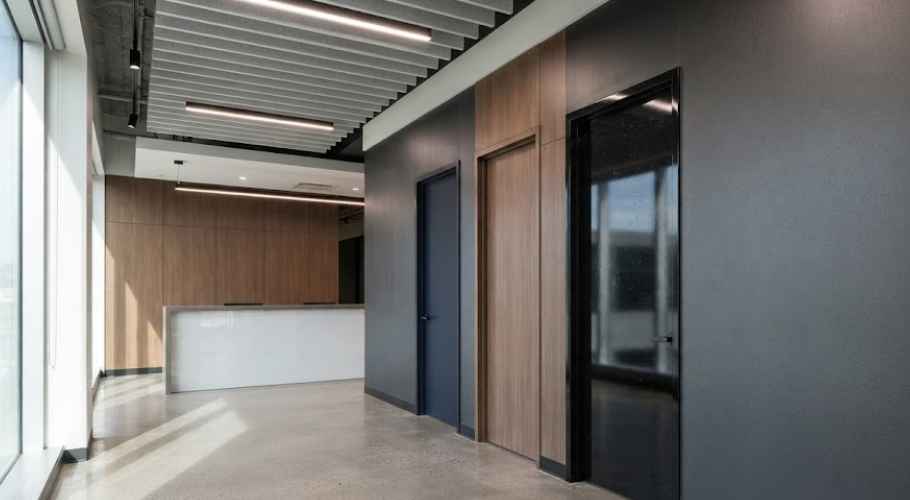
If you are planning an upcoming remodel, it helps to see what resurfacing actually looks like on a finished space before deciding. Resurface Wraps keeps a full library of finishes in wood, metal, and stone looks. Reach out here to talk through what a lower cost, lower downtime renovation plan could look like for your restaurant.