Commercial Door Wraps Cape Coral
Change your building look without the construction headache. Our architectural finishes turn old doors into high-end features in just a few hours at a price that makes sense.











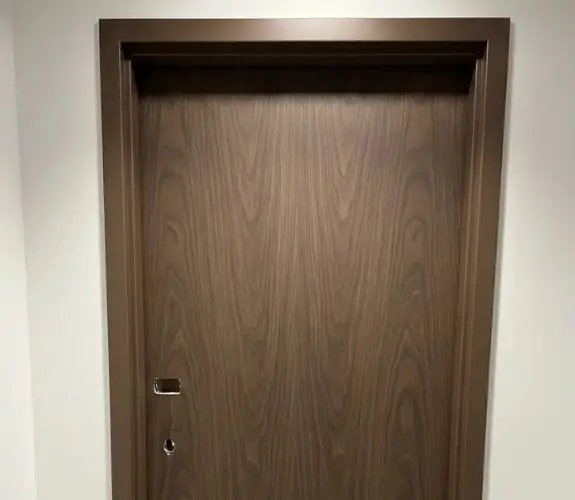
A Bold New Look for Your Cape Coral Building
Cape Coral is a busy city with a mix of business and water life. From the offices near downtown to the shops on Pine Island Road, your building needs to look great. In a city that is always growing, commercial door Cape Coral surfaces work hard every day. Constant use and the hot weather can make even the best doors look old and damaged very quickly.
We help local managers who want a luxury look without the stress of a big project. Our team follows every safety rule so your building stays up to code. You will not have to deal with the loud noise or messy dust of a normal construction site. Our commercial door Cape Coral solutions are built for high traffic areas where you need a finish that stays tough and beautiful.
Why Leading Cape Coral Property Owners Trust Us
Stay Open for Business
Most doors take only 30 minutes to finish so your staff and guests are never bothered by messy work.
Top-Tier Safety
Every material we use is Class A Fire Rated to meet strict safety rules for public buildings and hospitals.
Industrial Grade Resilience
Engineered for long-term performance, our architectural wraps provide a high-integrity surface that resists heavy impacts
Fresh Creative Looks
You can pick from hundreds of styles like wood or metal to find the perfect match for your brand.
Cost of Door Wrap (Architectural Vinyl)
$350–$600
per door
Save time and money with our simple wrap process. We finish most doors in 30 minutes with no mess, so you can focus on your work without interruption.
Cost of Full Door Replacement
$800-$2,000+
per door
Buying new doors means dealing with a messy construction zone. It involves heavy lifting, loud noises, and several days of workers blocking your hallways and rooms.
Superior Material Durability and Safety Ratings
We only use top-grade films like 3M DI-NOC, Reatec, Benif, and Belbien. These are not thin stickers. They are thick layers that feel like real wood or cold metal. They are a smart choice for any commercial door Cape Coral project because they hide fingerprints and resist scratches. This keeps your building looking sharp even in the busiest high traffic hallways.
Safety is our number one goal. Every film we install has passed tough fire tests and follows Florida laws. Resurfacing is also a great way to go green. By keeping old doors out of the trash and giving them a second life, your business can even earn points toward green building credits.
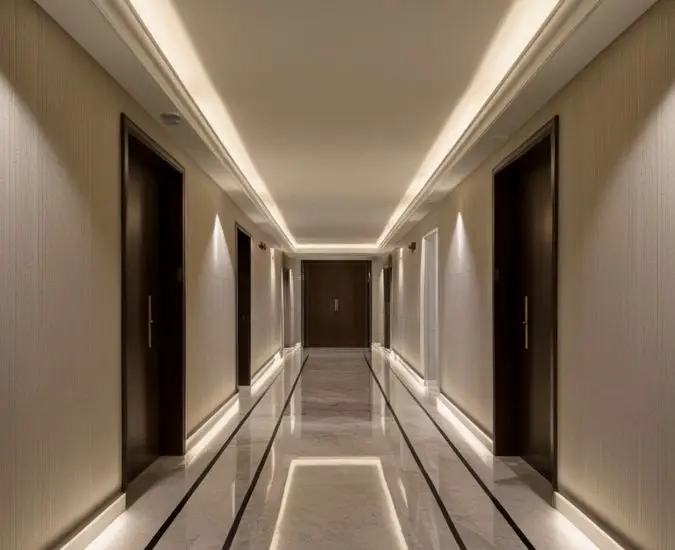
Serving Every Sector Across Lee County
- Retail and Dining: We give shops a luxury look that draws in more customers without having to close down for many weeks.
- Medical and Health: Our wraps provide a clean and professional finish for busy clinics and medical offices across the Cape Coral area.
- Corporate Offices: We help local firms update their workspace to look modern and very impressive for all of their new clients.
- Hotels and Resorts: We help coastal properties maintain a five-star look for guests without the loud noise of using heavy tools.
- Public Spaces: We provide durable and safe door solutions for schools and local government buildings that need to stay within budget.
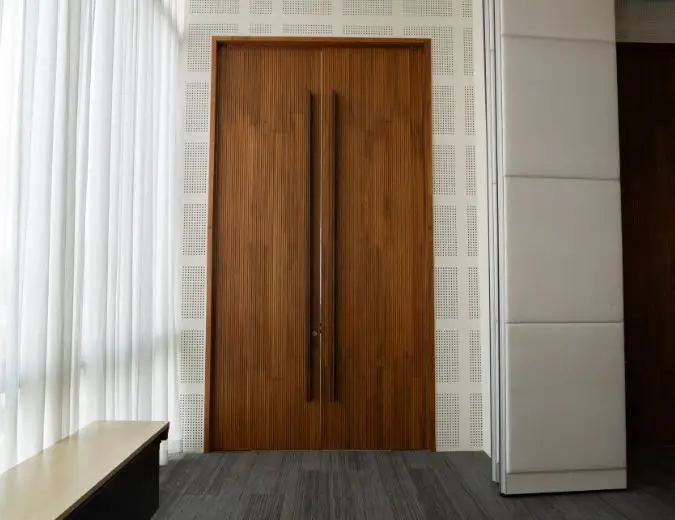
Our Proven 4-Step Installation Path
We make it easy so you can stay focused on your daily tasks.
Step 1
We look at your doors and talk about the best way to reach your goals.
Step 2
You browse our huge library of textures to find the perfect match for your brand.
Step 3
We give you a flat price and a schedule that works for you.
Step 4
Our expert team installs the finish on-site with zero mess and no demolition.
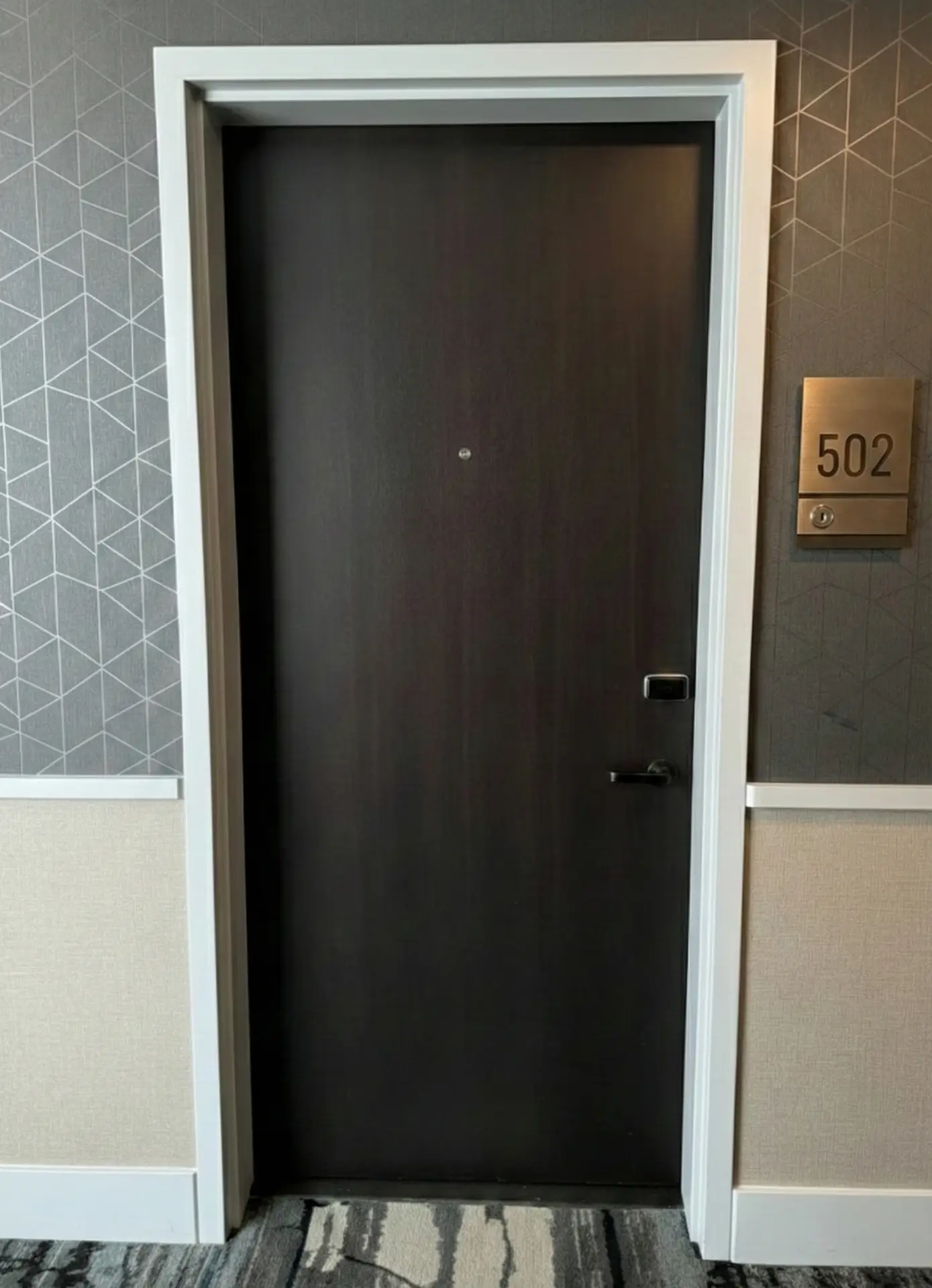
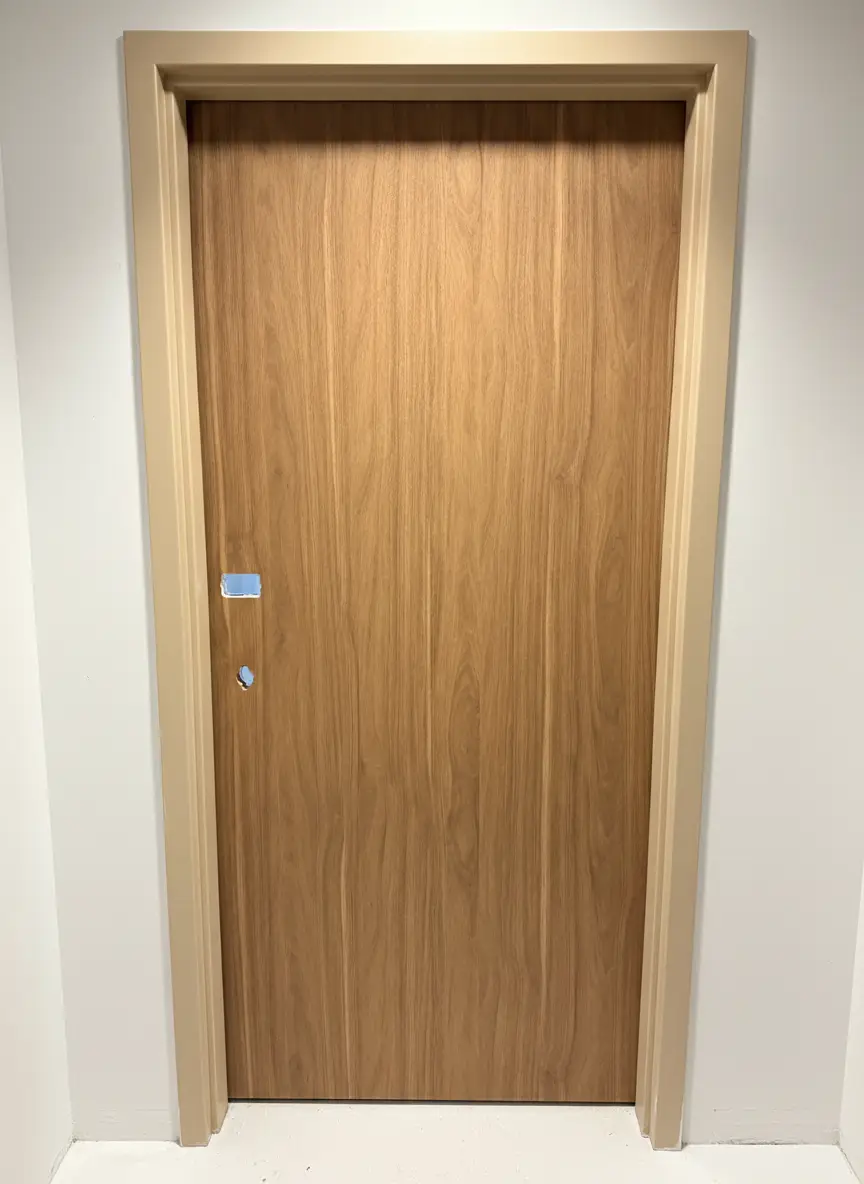
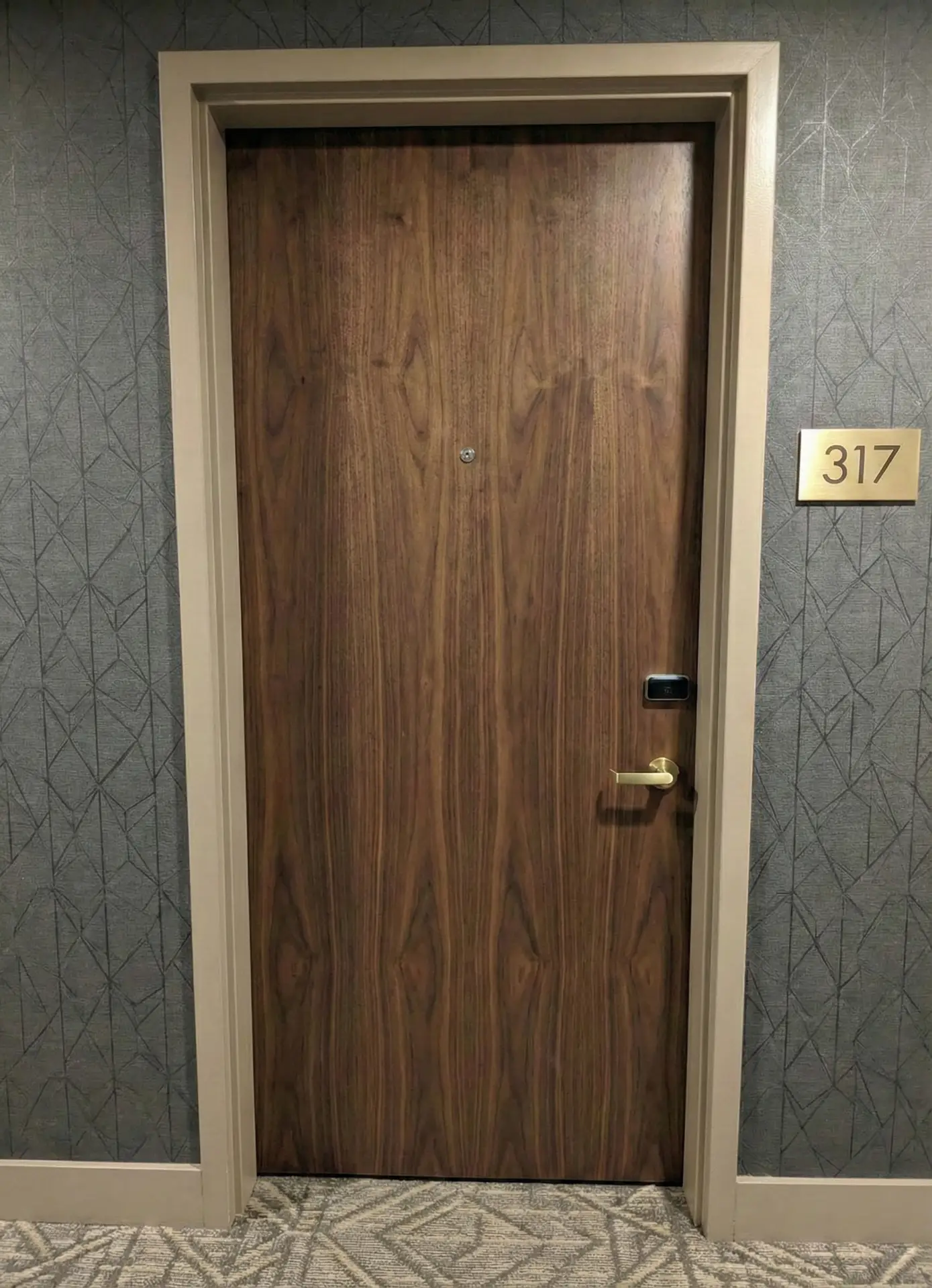
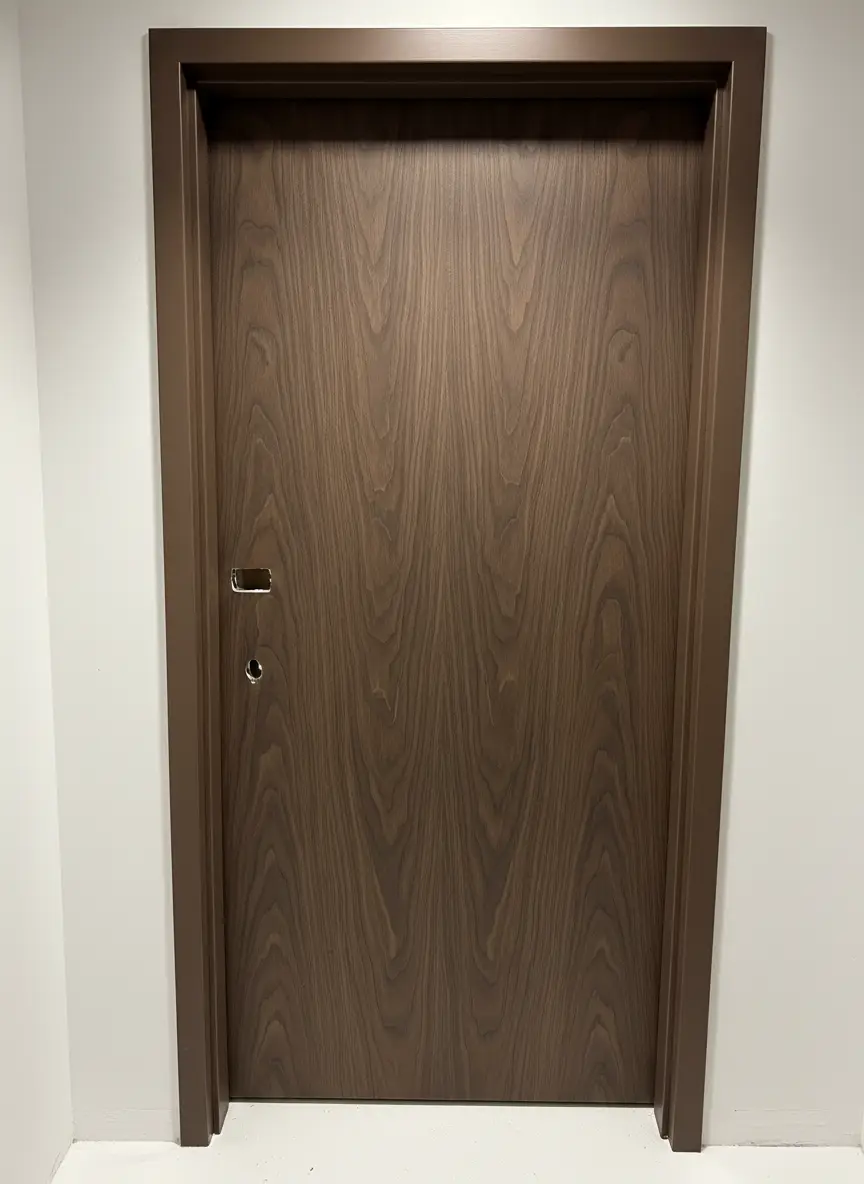
Our Door Portfolio
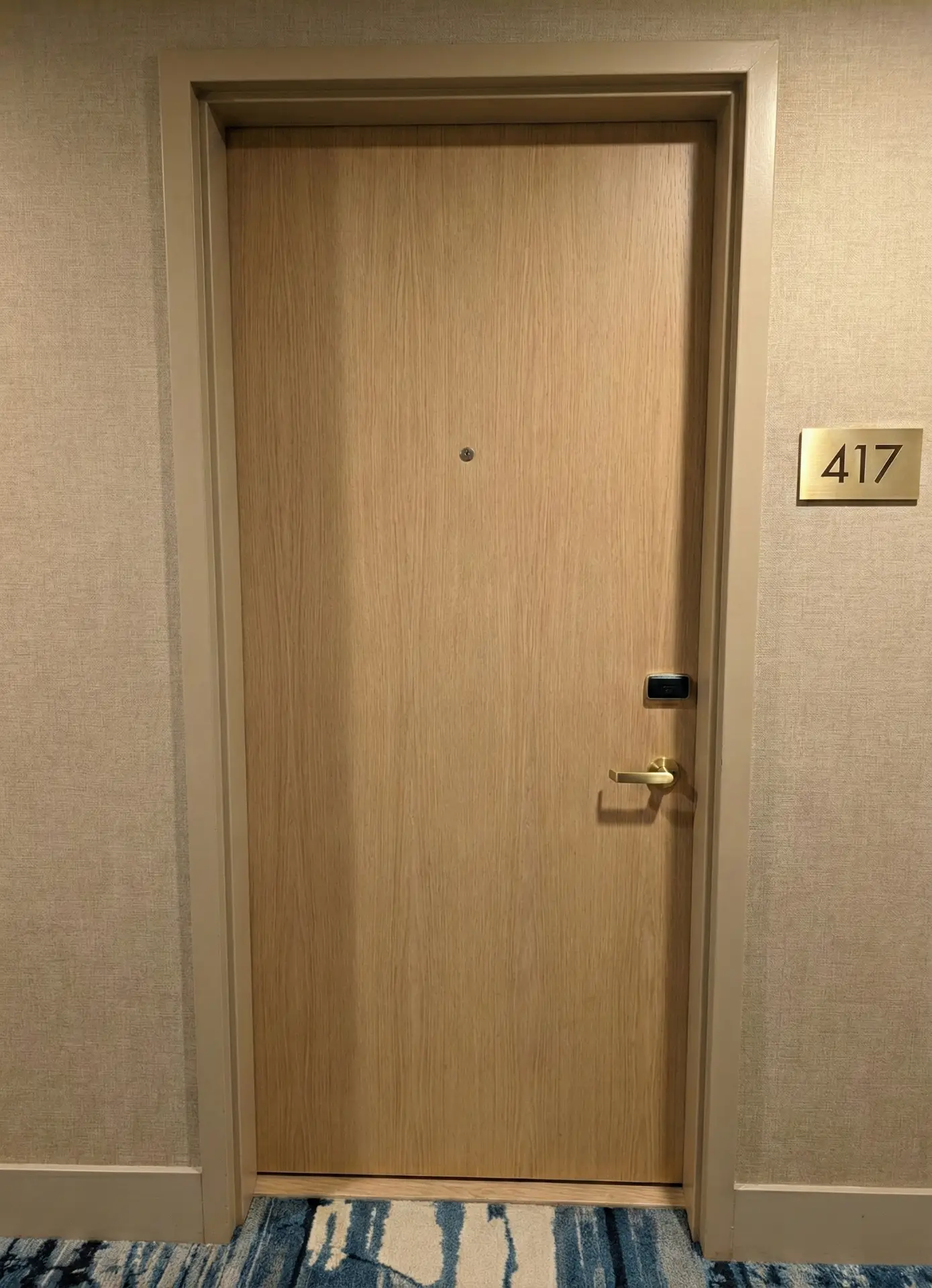
Get the Designer Look Without the Demolition Mess
You don’t need a construction crew to get better doors. Our high-quality wraps are fast, clean, and affordable. Give your property a luxury upgrade today!
Frequently Asked Questions
Do you cover all of Cape Coral?
Yes. We serve the entire Cape Coral area, including the Yacht Club, Pelican, and the northern business areas.
How soon can you start?
Usually, we can have a crew on-site in 7 to 10 days after you choose your favorite finish.
Will the coastal air damage the wrap?
No. These architectural films are waterproof and built to survive the salty air near the canals much better than paint.
Can I see the materials in person?
Yes. We can mail you samples of the material so you can feel the texture and see the color in your own light.
Is it easy to keep the doors clean?
Yes. The surfaces are made to be very smooth, so they wipe clean easily with normal soap and water.
We've Got You Covered
We are the world’s leading installer of architectural wraps, providing durable, cost-effective renovations for enterprises and institutions throughout North America and beyond.