Wall Wraps Tampa











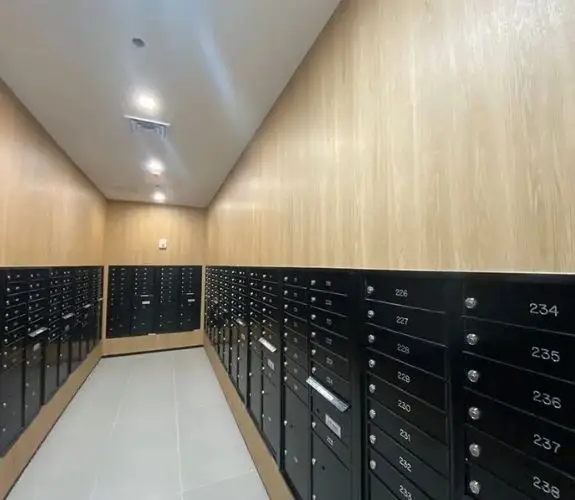
Revitalize Tampa Interiors With Expert Wall Resurfacing
Tampa property managers often struggle with high renovation costs, tenant disruption, and the rapid wear caused by our local climate. Aging lobbies and scuffed corridors can quickly diminish your building’s professional appeal. Traditional demolition creates excessive waste and forces you to close down parts of your facility. Architectural vinyl wall wraps offer a modern alternative by applying a durable finish directly over existing surfaces to refresh your interior aesthetic.
Many diverse industries across Tampa, including waterfront hotels, medical offices, and corporate campuses, rely on these resilient finishes. The humid Florida weather and constant foot traffic make these vinyl wraps a practical, long-term interior investment. They provide a high-end look that is easy to maintain while standing up to daily commercial use. Resurface Wraps is the go-to provider for commercial wall resurfacing in Tampa.
The Tampa Expert for Interior Craftsmanship
3M DI-NOC Certified Installers
Our team has completed professional training to ensure a perfect application on every surface.
Minimal Disruption to Tenants
We work quietly during off-hours to make sure your daily Tampa operations never stop.
Fast Turnaround on Large Projects
Our efficient installation method helps us finish major Tampa renovations much faster than others.
5-Year Product Warranty
You get total peace of mind with our long-term warranty on all installed products.
Addressing Worn and Outdated Walls in Tampa Commercial Properties
This section covers the most common wall issues Resurface Wraps fixes in Tampa commercial buildings.
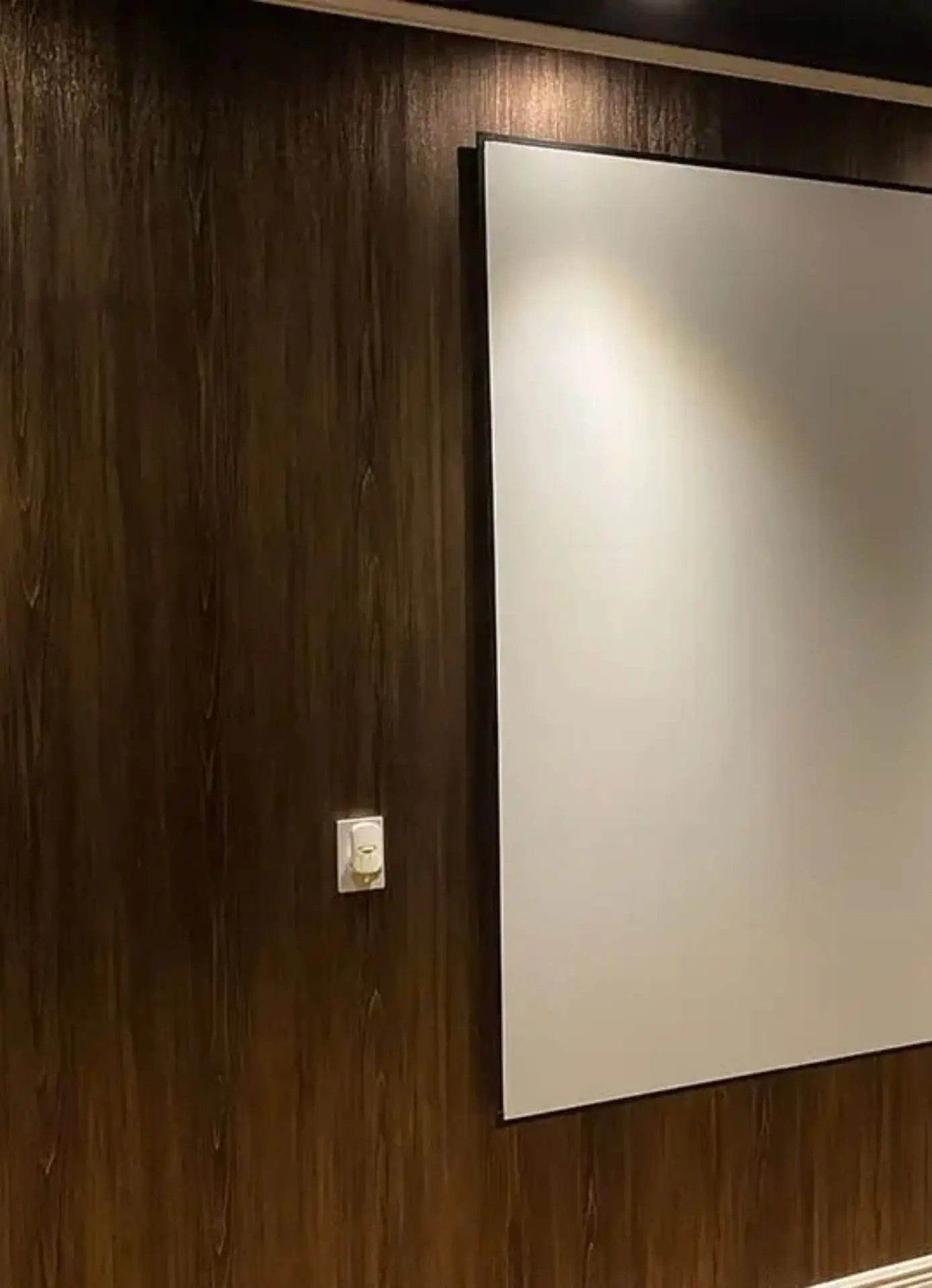
- Outdated Wood Veneer Panels: Old wood panels look yellow and tired in modern office settings. We wrap these panels in sleek, modern vinyl finishes to brighten your workspace immediately.
- Surfaces That Paint No Longer Adheres To: Repeated painting creates thick, peeling layers that eventually fail to stick. We cover these failing surfaces with durable vinyl to create a smooth, long-lasting finish.
- Cracked or Chipped Surface Coatings: High-traffic walls often suffer from deep chips that look messy and unkempt. We bridge these gaps with our hard vinyl to provide a clean, brand new skin.
- Peeling or Bubbling Wallpaper: Traditional wallpaper often bubbles in our humidity, creating an eyesore for guests. We remove the old material and apply a seamless, modern vinyl that stays perfectly smooth.
- Mismatched Panels After Partial Renovation: Partial repairs often leave behind uneven textures that distract from your building’s design. We wrap all panels in a consistent, unified finish to restore a high-end, professional look.
These professional fixes ensure that Tampa properties maintain their high standards without needing expensive structural repairs from Resurface Wraps.
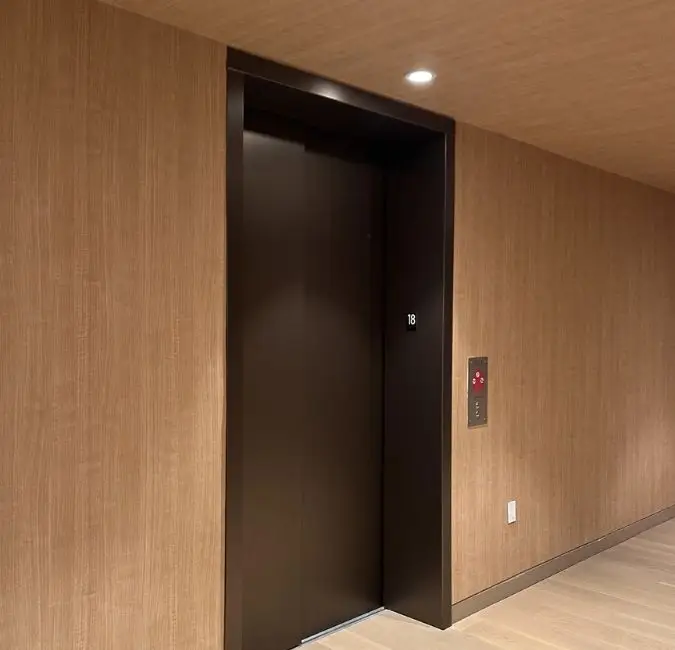
Explore Diverse Design Possibilities for Your Tampa Property
Resurface Wraps offers a wide range of architectural vinyl finishes to match any interior design direction.
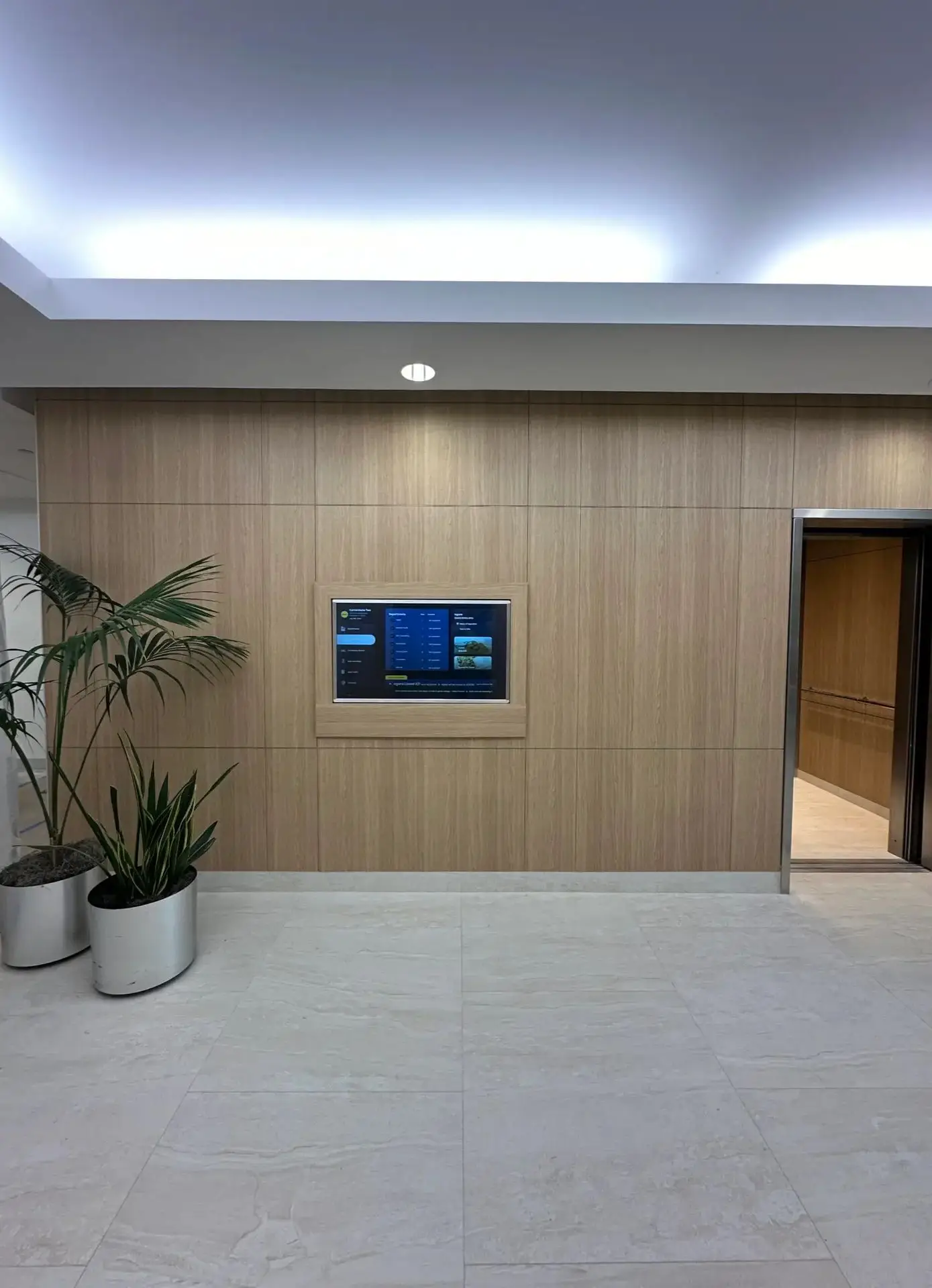
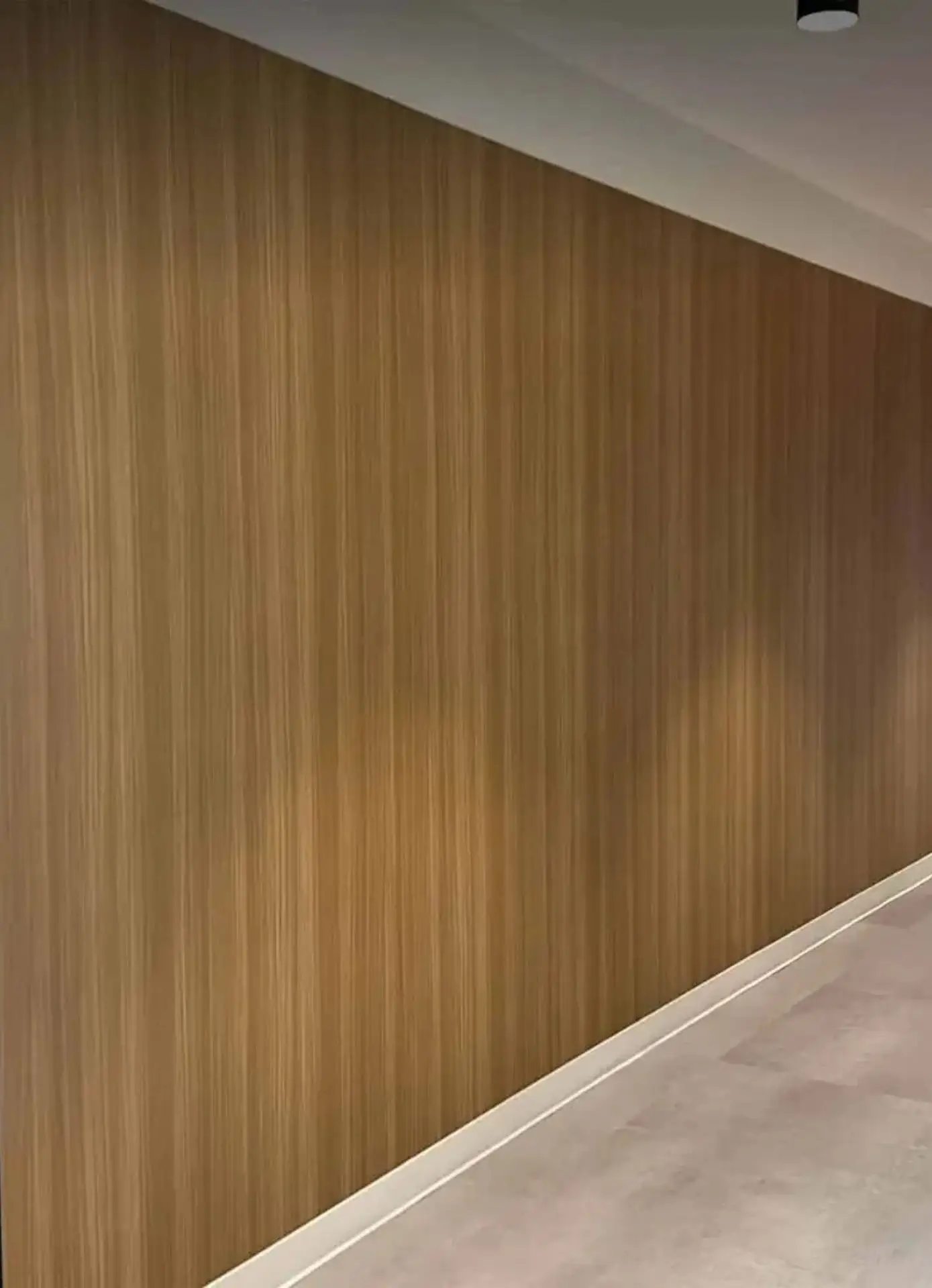
- Wood Finishes: Add natural, warm wood grains to your Tampa hotel lobby for a timeless and upscale atmosphere.
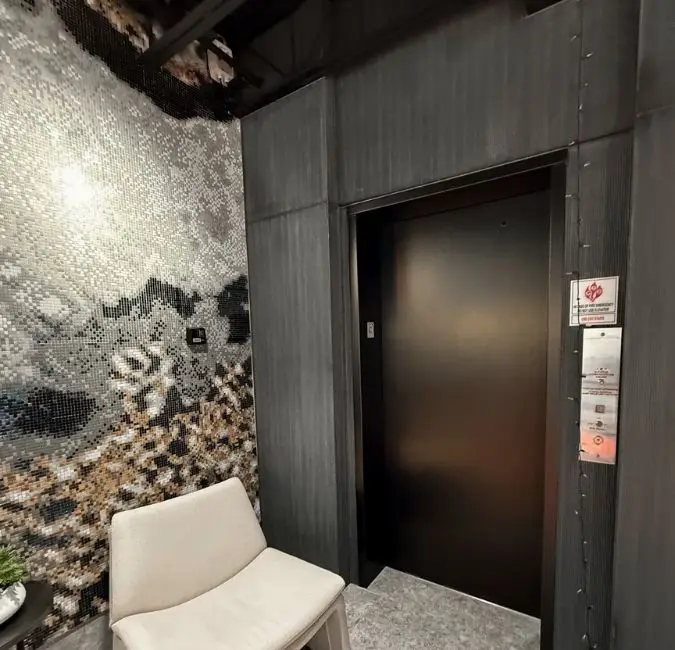
- Metal Finishes: Choose brushed or metallic looks to give your Tampa elevators and columns a sharp, modern update.
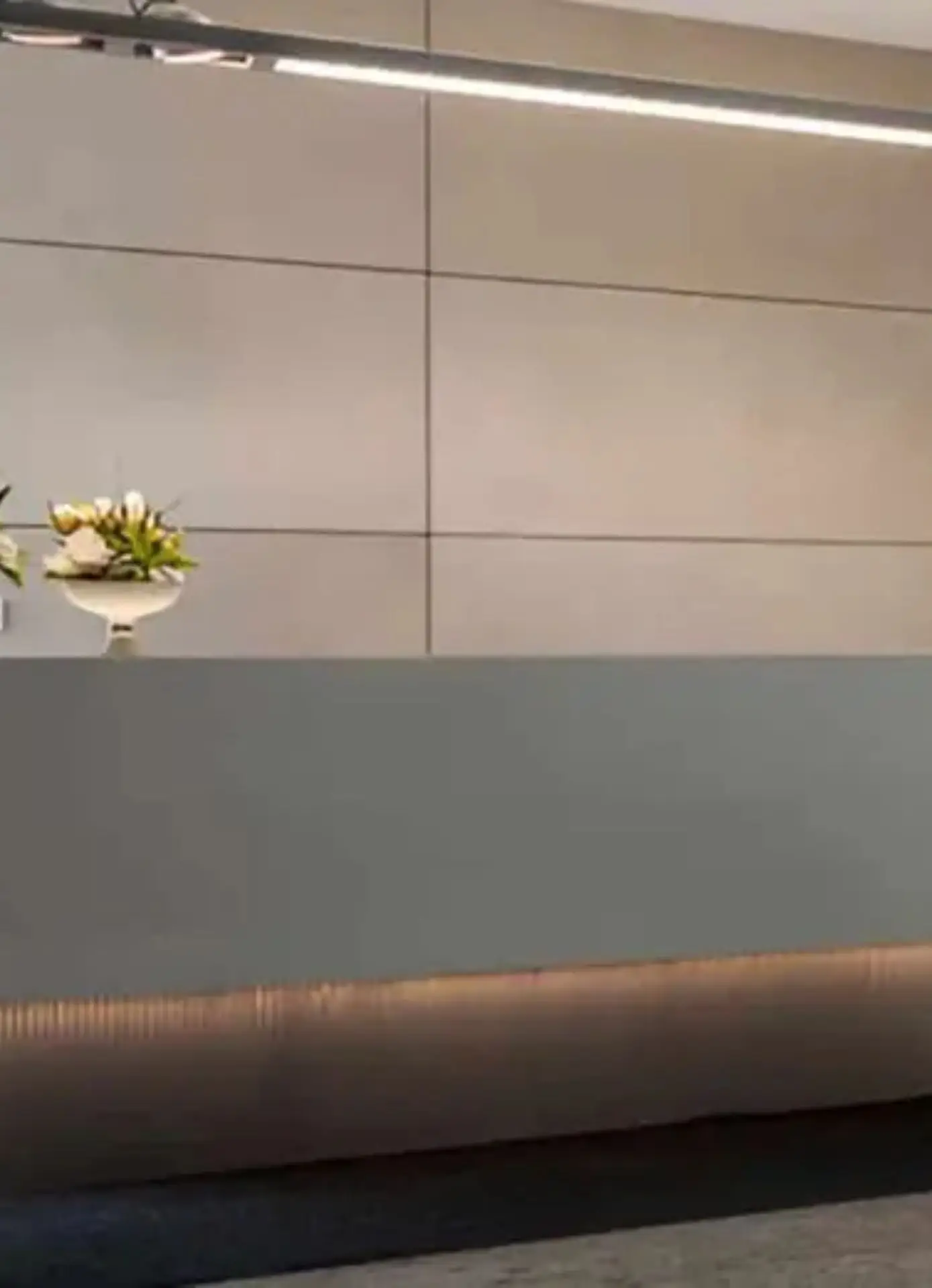
- Stone Finishes: Apply realistic marble or concrete textures to reception desks for a luxury feel in local offices.
- Fabric Finishes: Install textured fabric-look vinyl in Tampa boardrooms to create a soft and professional aesthetic appeal.
- Solid Color Finishes: Select from hundreds of matte or gloss colors to match your brand’s look in retail.
- Abstract and Custom Finishes: Use geometric patterns to turn plain Tampa corridor walls into unique, eye-catching works of art.
Superior Safety and Compliance for Tampa Building Interiors
Safety and durability are the top priorities for every commercial renovation project we manage across the Tampa area. Our architectural vinyl solutions are fully engineered to meet rigorous safety standards, featuring a Class A Fire Rating along with UL 10B and 10C certification. Beyond safety, these high-performance films provide incredible abrasion resistance for high-traffic commercial hallways and lobby areas. The materials are completely heat resistant and emit no VOCs or harsh odors during or after the entire installation process. This makes them a perfect, environmentally friendly choice that may help your property qualify for LEED credits. Designed to last 10 to 15 years with minimal maintenance, our installations are backed by a solid 5-year product warranty. Tampa property owners and managers can have total confidence in this high-quality product, knowing it delivers a safe, code-compliant, and exceptionally beautiful long-term solution for every interior surface.
A Seamless and Professional Transformation Journey
Step 1
Our team examines your current wall surfaces to provide an honest, accurate project estimate.
Step 2
We help you choose the perfect architectural style to match your property’s design goals.
Step 3
Our skilled technicians apply your chosen vinyl with precision for a flawless, beautiful finish.
Step 4
We inspect every detail with you to ensure our work meets your high standards.
Our Door Portfolio
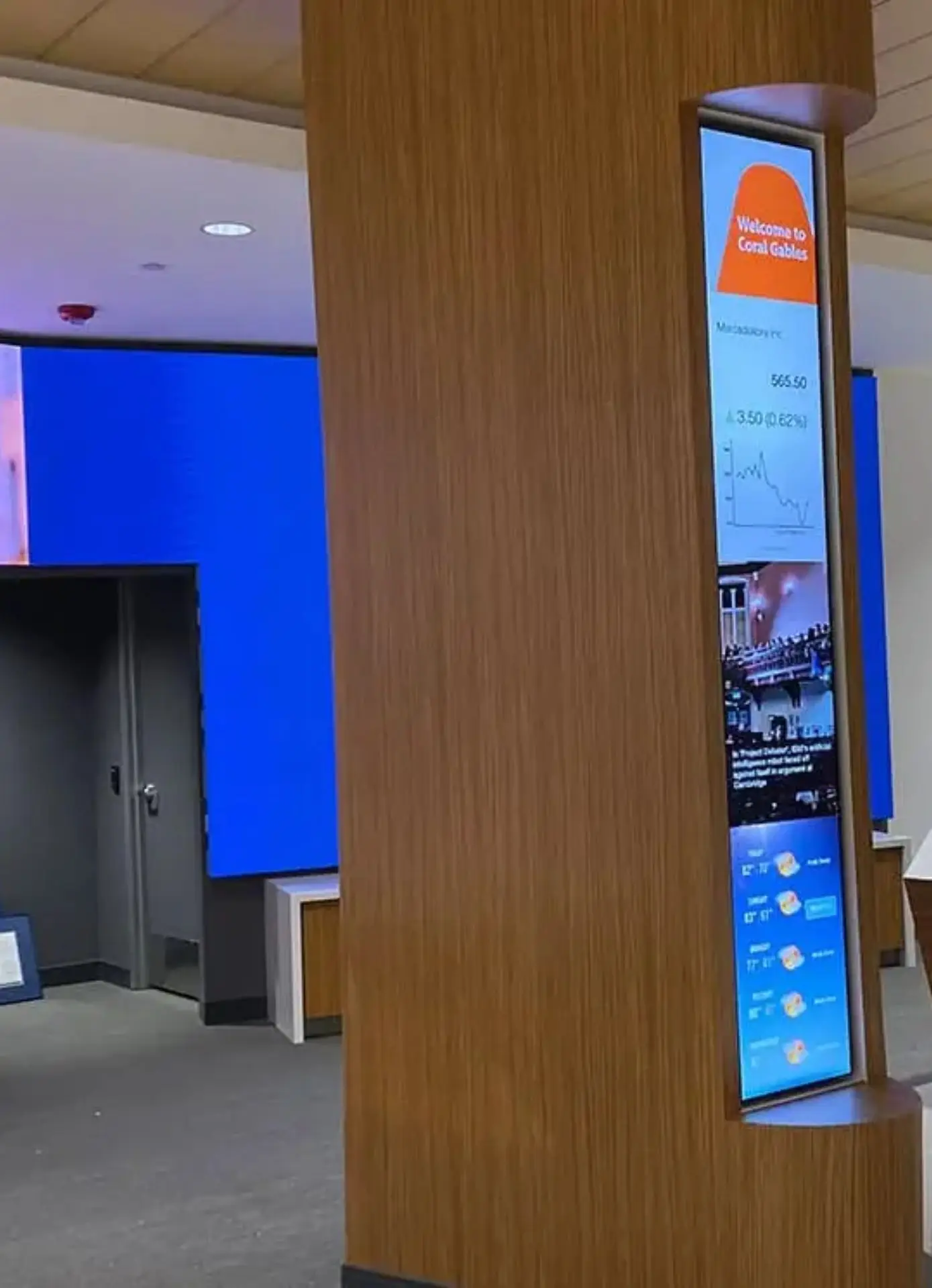
Experience a Remarkable Transformation for Your Tampa Space
After our installation, your property will look brand new, featuring clean lines, modern colors, and a durable finish that resists daily wear. Your once-tired walls will feel premium, welcoming, and perfectly aligned with your professional brand image.
When you are ready to start, reach out to Resurface Wraps through our website. Our team will review your needs, provide a custom quote, and guide you through the process to ensure your project is a complete success.
Frequently Asked Questions
How long does installation take in a Tampa commercial property?
Are wall wraps allowed in Tampa buildings without a permit?
What kinds of Tampa properties benefit most from wall wraps?
How do wall wraps hold up in Tampa's climate and humidity?
Do wall wraps work in Tampa buildings with older or uneven walls?
We've Got You Covered
We are the world’s leading installer of architectural wraps, providing durable, cost-effective renovations for enterprises and institutions throughout North America and beyond.